Supplement reviews (US)
Independent reviews of individual products, built from the manufacturer's published Supplement Facts panel — the declared doses, the arithmetic, the evidence and the cost per day. No star ratings, and no republished customer scores we cannot verify.
How these reviews work: every page contains affiliate links, always disclosed at the top. What separates them from most review sites is the source — the panel, not the sales page. Where a product's marketing contradicts its own label, that is stated as a fact rather than as an opinion.
Published reviews
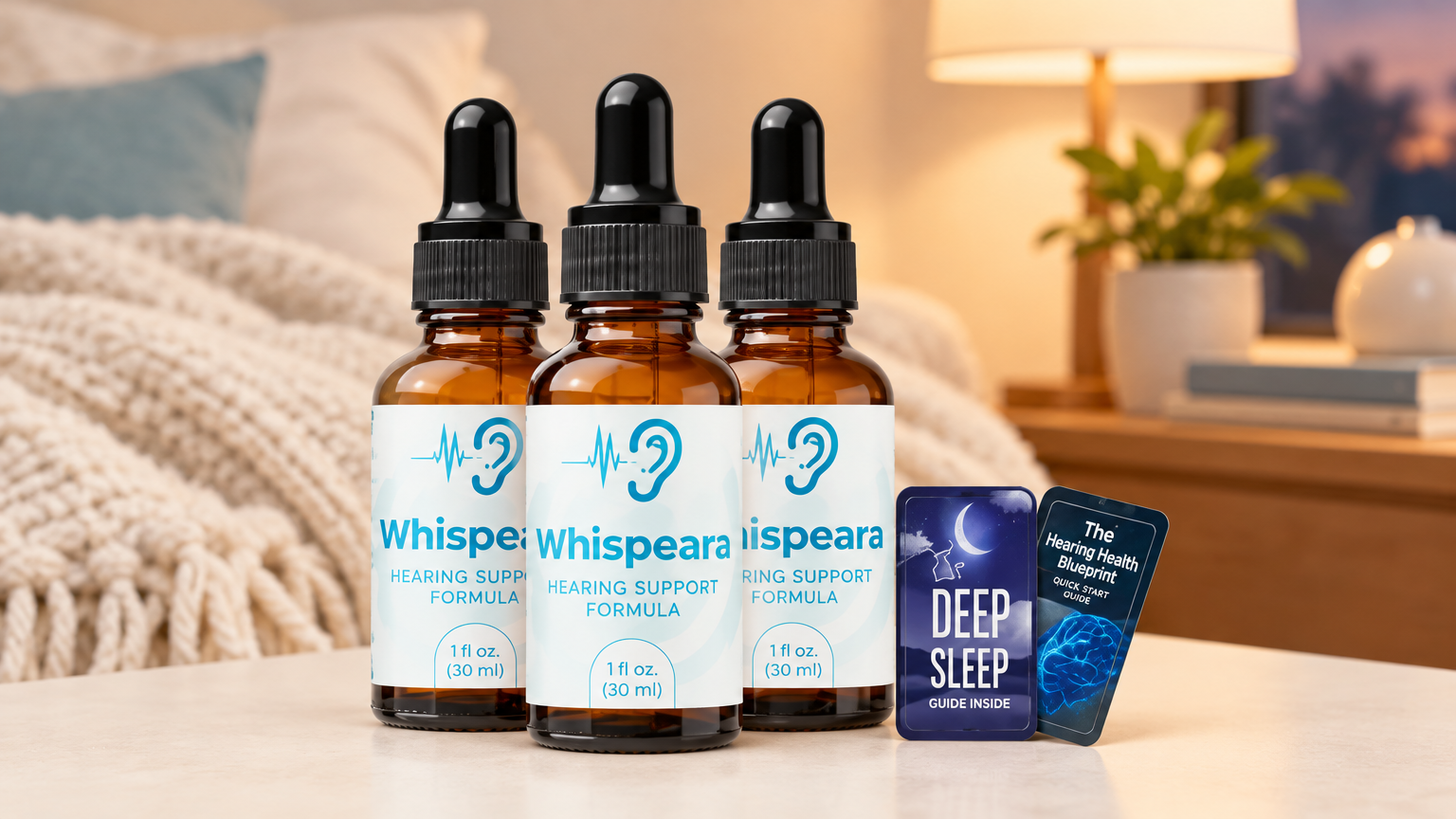
Whispeara: a proprietary blend that hides every dose behind 200 mg
Twenty-two ingredients listed, one total weight published, and no individual amount for any of them. The review works through the arithmetic — 200 mg split across 22 ingredients — and sets out what the panel allows you to verify and what it does not.
Read the review →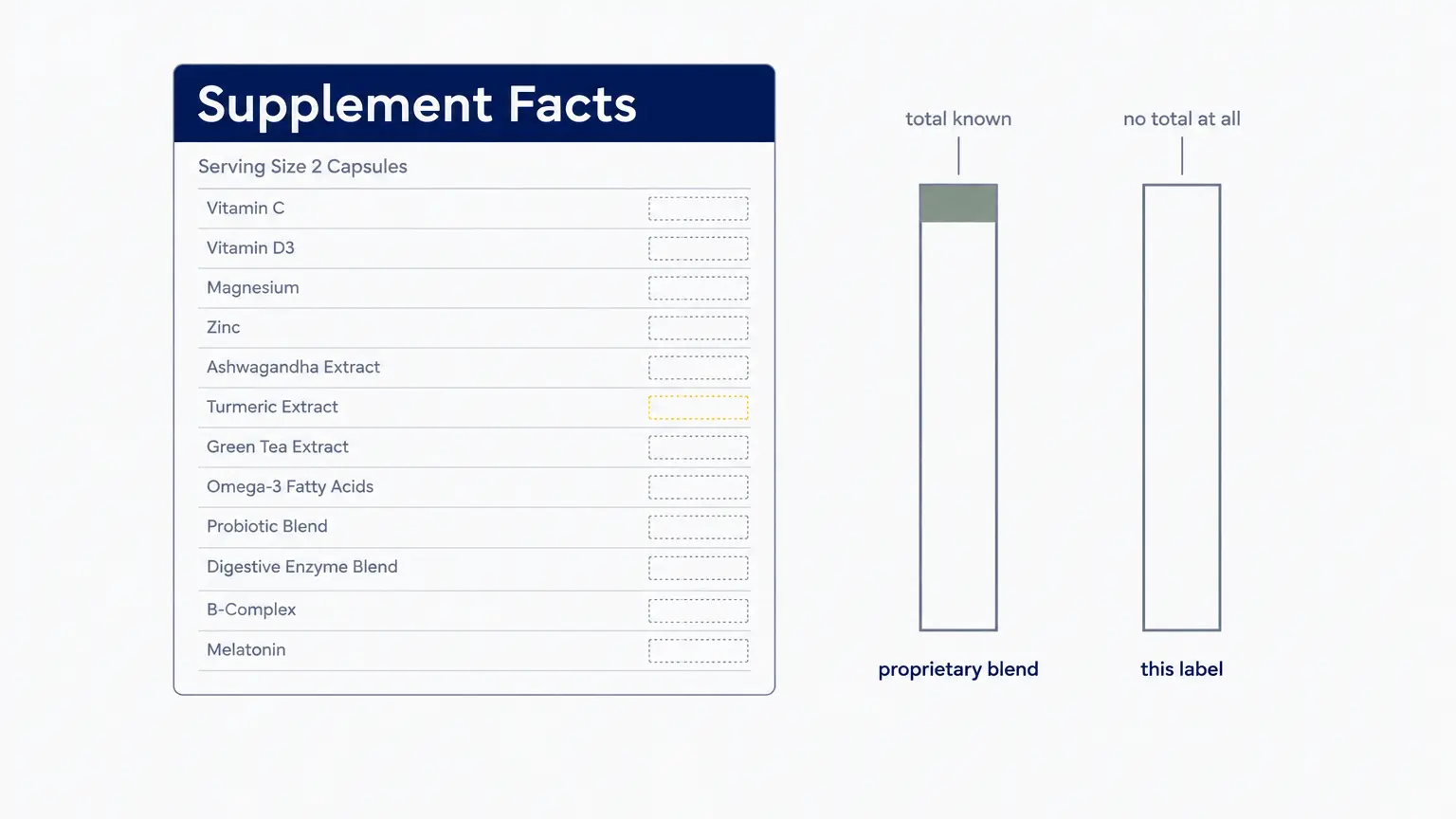
ColestZen: eighteen ingredients named, zero doses published
A label that lists more ingredients than any product reviewed here and publishes a quantity for none of them. The review sets out why cost per milligram cannot be calculated without a declared amount, and what that means for the price you are being asked to pay.
Read the review →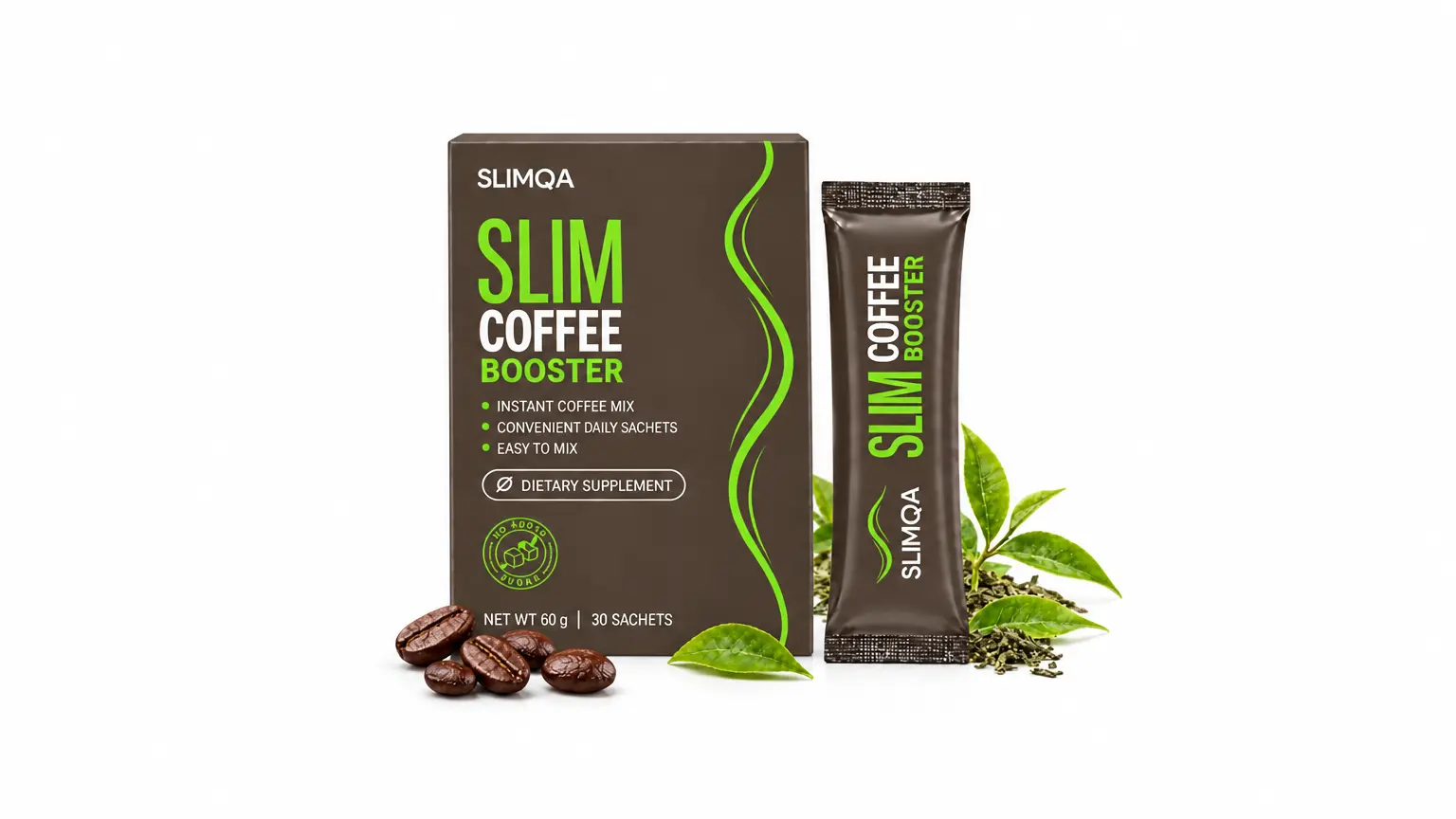
Slimqa Coffee Booster: five doses published, one claim contradicted
The most transparent panel reviewed on this site — five ingredients, every dose stated, no blend, and an extract specification on the curcumin. But the sales page calls the formula free from stimulants while the panel declares 120 mg of caffeine, and three percentage figures are presented as proven results with no source at all.
Read the review →What these reviews check
Every product is put through the same five checks, in the same order, and each check has its own guide explaining the reasoning. First, the panel: is every ingredient's dose declared, or is it hidden behind a blend? Second, the evidence: does each dose reach the amount used in published trials of that ingredient? Third, the claims: what does the marketing wording actually commit the seller to? Fourth, the exit: if the product disappoints, what will the guarantee really refund? Fifth, the price: what does it cost per day, not per bottle?
The order matters. You cannot calculate a cost per milligram on a label that publishes no milligrams, and you cannot judge whether a price is worth paying until you know whether the dose reaches anything studied. That is why the reviews are structured the way they are rather than as a list of ingredients with a verdict attached.
The five guides behind this method are in Guides: proprietary blends, verifying a claim, "clinically studied", money-back guarantees and price per day.
Why there are no star ratings here
Customer ratings appear on the sellers' own pages and are not independently verified, so this site does not reproduce them or convert them into a score of its own. A number out of five tells you what a group of strangers felt; a panel tells you what is in the product. The second is checkable and the first is not.
Where a product's page displays percentage figures as results — as one reviewed here does — the review states plainly whether a source, a sample size and a methodology are published. If they are not, the figures are described as marketing rather than repeated as findings.
Independence and corrections
BalancePhase earns commissions on some links and discloses this at the top of every review. No manufacturer has approval over what a review says before publication, and no product has been removed from a review at a seller's request. The assessment method is documented in Methodology, and the rules on independence, sourcing and corrections are in the Editorial Policy. Corrections are published on the page rather than made silently.
Reviews are written under the editorial direction of W. H. Neves. Nothing on this site is medical advice, and no laboratory testing is performed — every clinical statement is attributed to a named source.