Supplement reviews for Canadian buyers
Every review published here is written from the Supplement Facts panel, not the sales page. Where the label and the marketing disagree, the disagreement is named. Prices are reported exactly as the checkout displays them — and where that checkout publishes no currency code, the review says so rather than assuming one.
A note on the Canadian market. Supplements sold in Canada are normally licensed by Health Canada and carry a Natural Product Number on the label. That licensing covers safety and quality, not proof that the product does the thing its advertising promises. Our reviews check whether the doses are declared, whether the claims survive the panel, and what you actually pay per day — plus whether the checkout even tells you which dollar you are being charged in.
Published reviews
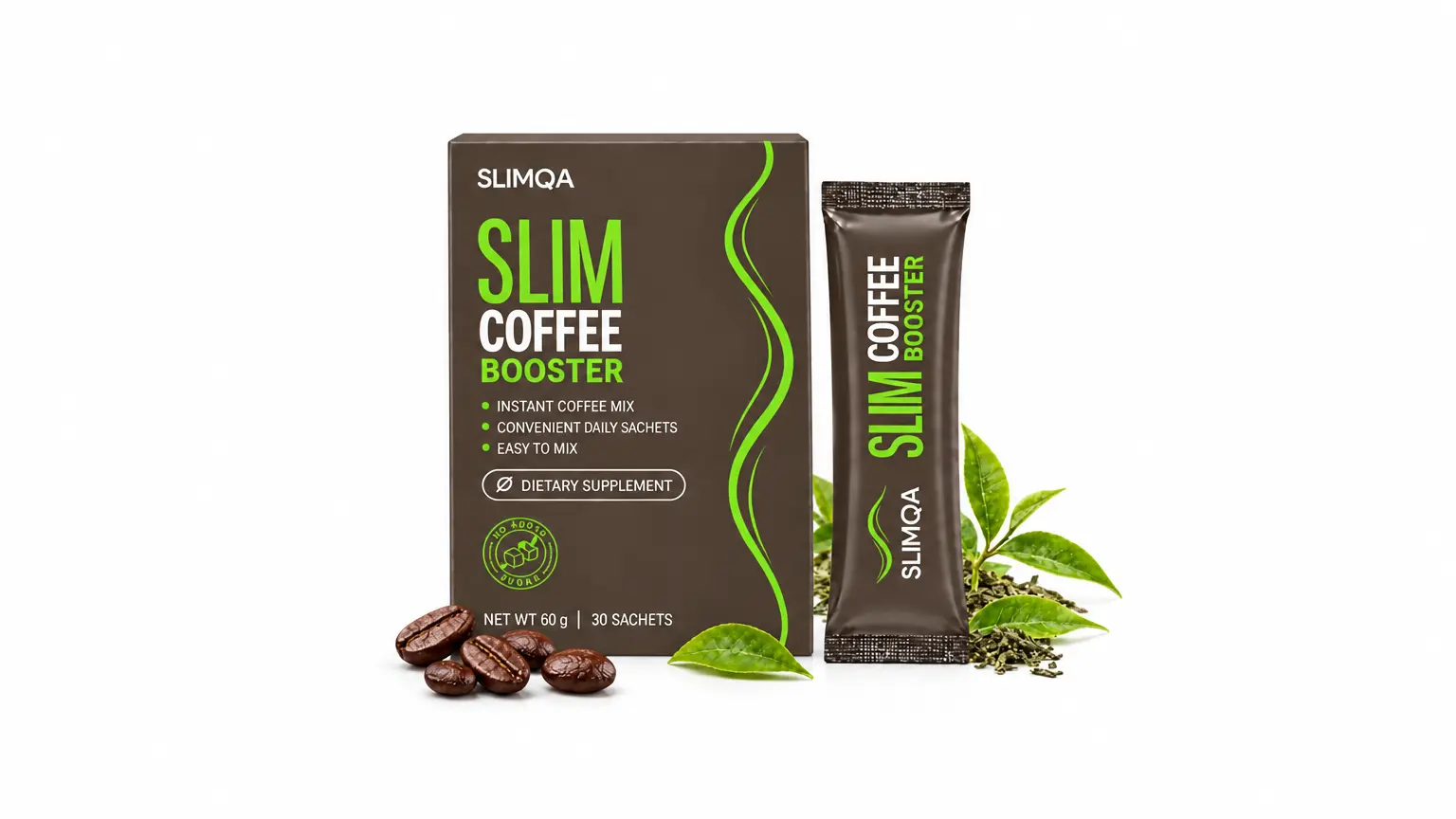
Slimqa Coffee Booster Canada: 5 doses published, 1 claim contradicted, $0.80 a day
The most transparent label we have reviewed: five ingredients, five declared doses, no proprietary blend. The sales page still calls the formula stimulant-free while the panel declares 120 mg of caffeine and the label warns about it. Canadian pricing is higher than the US on every package, and the 30-day guarantee expires as the claimed results are due.
Read the review →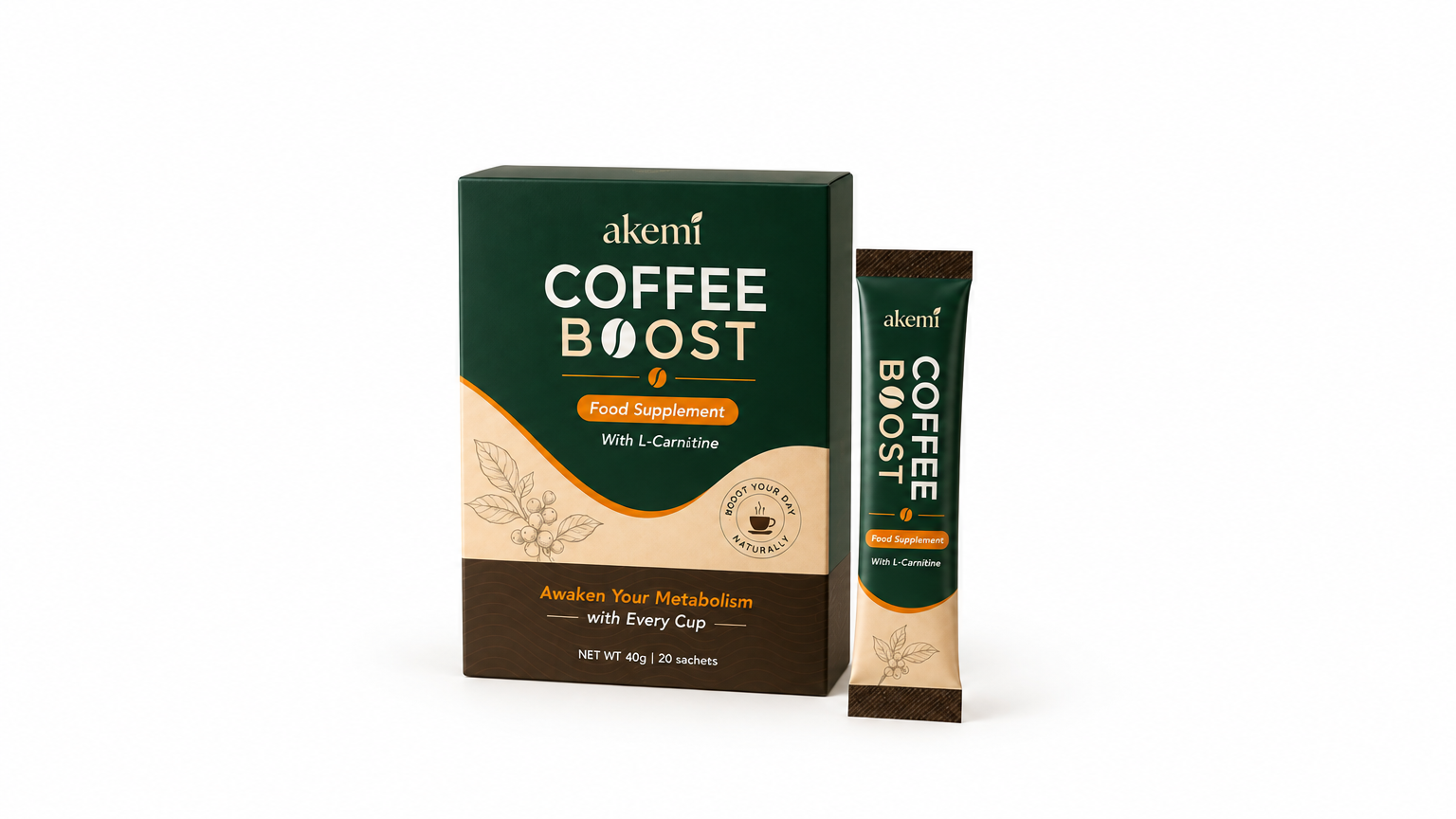
Akemi Coffee Boost Canada: 7 ingredients named, 1 dose published, 20 sachets sold as 30 days
Seven ingredients are listed and not one carries a quantity — no individual amount and no blend total either. The box holds 20 sachets while the checkout sells it as a 30-day supply, which puts the real cost at $1.50 a day on one box and $1.00 on three. The order form detects Canada correctly and still publishes no currency code, and we found no Health Canada NPN.
Read the review →Next Canadian reviews
Additional Canadian reviews are in preparation. Each one is built the same way: the panel read line by line, the doses compared against the amounts used in published research, the cost per day calculated from the sachet or serving count, and the refund terms checked against the claim timeline. No review is published before the label has been read.
How these reviews are written
Four things are checked on every product, in this order. First, the doses. If the label publishes a proprietary blend instead of individual amounts, that is stated before anything else, because it determines whether the rest can be checked at all. If the label names its ingredients and publishes no quantity for any of them, that is stated too — it is a different failure and a more complete one. Second, the claims. Any percentage, testimonial or timeline is traced back to the panel to see whether the two agree.
Third, the price. The bottle price is converted into cost per day, using the number of servings or sachets the package actually contains rather than the number of days the checkout claims it covers. On two of the products reviewed here, those two numbers do not match. Fourth, the exit. The refund window is read against the claimed results timeline, since a guarantee that expires when the results are due is not a guarantee.
The method is documented in full in the Methodology page, and the reasoning behind each check is set out in the guides below.
Seven guides explain the label rules these reviews apply, from regulation to price arithmetic.
Read the guides →Why Canadian pricing differs
Products sold in both markets are rarely priced the same. The Canadian checkout usually carries a higher box price and a higher entry-level shipping cost, which on a single-package purchase can nearly double the effective daily cost compared with a multi-package order. That is not a mark-up unique to any one brand: it reflects smaller market volume, distribution differences and currency.
What matters for a buyer is narrower. The package that advertises the lowest price per box is not always the one with the lowest cost per day, and the smallest package almost never is. Every review on this page shows the arithmetic so the comparison is visible rather than implied.
There is also a question that sits before all of this: whether the checkout states which dollar it is charging. A price shown with a bare currency symbol is not a price you can compare with anything, and on a Canadian order the difference between CAD and USD at the card rate is not small.
Other markets
The same products are reviewed separately for each market, because pricing, regulation and the currency question all differ. The Canadian checkout and the Australian checkout quote identical figures for the same packages, while the American checkout runs lower — so a review written for one market is not reliable for another.
About BalancePhase
BalancePhase publishes independent consumer research on supplement labelling and marketing across the United States, Canada, Australia, the United Kingdom and the European Union. Reviews are written from the Supplement Facts panel and the checkout figures, not from promotional copy. Some pages contain affiliate links, disclosed at the top of each review and in the Affiliate Disclosure. Affiliation does not change which claims are singled out. Nothing published here is medical advice.